Showing posts with label health. Show all posts

Saturday, 12 April 2025

Is It Time To Replace Your Hearing Aids?

Image Credit: Pixabay


{This is a collaborative post}

Hearing aids are profoundly helpful pieces of technology that can greatly improve your quality of life and help you avoid the worst outcomes of untreated hearing loss. As advanced as these pieces of technology may be, however, they are not designed to last forever. If you’re a relatively new hearing aid user, it’s important to understand that you’re likely going to have to replace them at some point, but when should you?


Decreased Sound Quality Or Performance

Like all tech, hearing aids show their age after some time. As the components become less efficient, you may notice a decrease in sound quality. If your hearing aids no longer provide the clarity and amplification they once did, despite regular cleaning and maintenance, it could be time for a replacement. Issues like distorted sounds, muffled hearing, or difficulty understanding speech indicate that they’re no longer doing their job and may be due for a replacement.


Repair Costs Are Getting Out Of Control

Many of the issues mentioned above can commonly be fixed with the help of an audiologist. Sometimes, you might need new batteries, microphones, or other parts. These costs are to be expected, but if they’re becoming more and more frequent, it’s a sign that a new hearing aid may be more cost-effective in the end.


They’re Not Adapting To New Environments

When you select hearing aids, you normally pick them based on (among other things) the kind of environments you’re more likely ot use them in. However, your lifestyle may have changed since you first chose them. While you might have once primarily spent time in quieter environments, you may be getting more social, especially as hearing aids often improve confidence. If your hearing aids don’t work as well in crowds, you may need a new pair that do, for instance.


You Could Benefit From New And Advanced Features

Hearing aid technology is always progressing, and new models are always coming out with innovative features that can really improve both their performance and convenience. If your hearing aids are a few years old, you should learn more about the latest features like Bluetooth connectivity, automatic environmental adaptation, and smartphone apps that allow you to fine-tune them much more easily. Don’t underestimate how much more convenient hearing aids get over time.


Your Hearing Loss Has Changed Or Progressed

Lastly, it’s not just hearing aids that change, but your hearing as well. It’s important to keep up with regular hearing tests, even if you have already been diagnosed and treated for hearing loss. After all, hearing loss can progress, especially as we get older, which may mean that certain hearing aids are no longer as effective as they once were. Make an annual appointment for a hearing test to be sure that you’re getting the right treatment.

If you’re uncertain whether or not you should replace your hearing aids, talk to your audiologist. They may be able to help you extend their lifespan for longer, or recommend those that might better fit your needs now.

Friday, 21 March 2025

Regaining Confidence with Postpartum Pelvic Floor Recovery Tips


Image Credit: Unsplash

{This is a collaborative post}


Have to cross your legs when you sneeze? Can you no longer do star jumps? You’re not alone.  After childbirth, it’s common for the pelvic floor to weaken, affecting bladder control and other functions of the muscle. 

Luckily, there are ways  - including Emsella treatment - mums up and down the country can regain their strength and confidence.  Here’s what you need to know. 


The postpartum pelvic floor 

During pregnancy and childbirth, the pelvic floor muscles are strained, weakened, and stretched. During postpartum recovery, the pelvic floor needs time to regain strength and heal from the intense strain and stretching it’s just experienced. However, due to the changes in hormones and overall strength, a lot of mums can experience the following: 


A weakened bladder 

One of the most common symptoms of postpartum life is stress incontinence. This is when the bladder becomes weak, and it’s harder to stop leaking urine when sneezing, laughing, coughing, or exercising. A sign of this can also be having the sudden need to go to the toilet more often. 


Pelvic organ prolapse 

In more severe cases, the weakened muscles struggle to hold the pelvic organs in place. As a result, some feel a heaviness or bulging feeling in the vagina. This can be a sign of the organs' prolapsing. 


Reduced core and pelvic stability 

Lower back pain and reduced sensation during intercourse are also symptoms of a weakened pelvic floor. This can make daily tasks difficult and put a strain on intimate relationships. 


When to seek help

It’s hard recovering from pregnancy and childbirth - there are often lots of questions floating around with no real answers.  Are these things just normal, or are they symptoms of something more serious?

If you’re struggling with some of the symptoms mentioned above, it’s recommended to seek medical help if they persist 3-6 months postpartum or severely impact your day-to-day life. You’ll also have a chance to talk about them during your first postpartum appointments (6-8 weeks after birth). 

The first person you can speak to is your GP. They’ll then refer you to a specialist physiotherapist, who can give you a range of exercises to strengthen the muscles and organs, reducing the size and separation between your stomach muscles. 


How to strengthen the pelvic floor

There are a few ways you can strengthen the pelvic floor muscles, including: 

1. Pelvic floor exercises  - Also known as Kegals, pelvic floor exercises can help rebuild strength and improve muscle tone. 

2. Postpartum physiotherapist - If referred by your GP, a postpartum physiotherapist can provide guided therapy and exercises to aid recovery. 

3. Emsella treatment - If you’re struggling to regain your strength and confidence, Emsella treatment is a non-invasive treatment that stimulates the muscles to improve symptoms of incontinence and overall comfort levels. 

Using high-intensity focused electromagnetic (HIFEM) technology, the pelvic floor muscles are stimulated to strengthen the area. The benefits include improved incontinence, stronger orgasms, and increased confidence. You can't go wrong with those!

Saturday, 15 March 2025

5 Ways to Take Control of Your Health When Your Doctor Isn’t Listening

Image Credit: Pexels

{This is a collaborative post}

Let’s be honest—sometimes, doctors just don’t listen. They rush through appointments, barely glancing up from their screens, or dismiss symptoms like they’re nothing. “It’s just stress.” “You’re fine.” “Come back if it gets worse.” Sound familiar? It’s infuriating. Because you know your body. You know something’s off. And yet, here you are, walking out of the office with more questions than answers.

You don’t have to accept that. You don’t have to wait for permission to take your health seriously. If your doctor won’t advocate for you, you do it yourself.


Become Your Own Health Detective

When doctors miss the bigger picture, you start putting the pieces together yourself. Track everything—when your symptoms flare up, what you ate that day, how well you slept, your stress levels, even changes in your routine. Patterns emerge when you pay attention.

Grab a notebook, use an app, whatever works. The next time you’re in that office, you won’t be explaining vague discomfort. You’ll be armed with evidence. And if they still wave it away? That’s their problem. Not yours. Because now you have the data to find a second opinion—one that actually matters.


Research Like Your Well-Being Depends on It (Because It Does)

You don’t need a medical degree to be informed. The internet is a minefield of misinformation, but it’s also a goldmine of research if you know where to look. PubMed, NIH studies, functional medicine articles—dive in. Find real sources.

It’s not about diagnosing yourself. It’s about knowing what’s possible. When a doctor brushes you off, you’ll have a list of conditions that match your symptoms. You’ll know which tests to ask for. You’ll walk in prepared instead of just hoping they’ll figure it out.


Explore Alternative Health Assessments

If you hear “your labs are normal” one more time, you might scream. Because normal doesn’t mean optimal. It doesn’t mean you feel good.

That’s where private blood tests come in. Many labs now let you order tests yourself; no doctor is required. Vitamin levels, hormone panels, inflammation markers—there’s so much you can check. Beyond standard blood work, there’s functional medicine testing, genetic analysis, and even biofeedback scans. All the things conventional medicine rarely looks at.


Learn About Nutrient Stress and Optimize Your Diet

Food isn’t just fuel. It’s medicine. And sometimes, it’s the missing piece doctors ignore. Magnesium, vitamin D, B12, iron—deficiencies in these can masquerade as anxiety, fatigue, even depression. It’s wild how much your body depends on the right balance of nutrients.

If your diet isn’t supporting you, change it. Cut back on processed junk. Add whole, nutrient-dense foods. Try an elimination diet if something feels off. A functional nutritionist can help if you’re overwhelmed. The way you eat might be the most powerful thing you can control.


Find a Practitioner Who Actually Listens

You don’t have to keep seeing a doctor who dismisses you. Seriously. Fire them. There are good doctors out there—functional medicine practitioners, naturopaths, integrative specialists—people who will sit down, listen, and actually work with you.

Yes, it might take time. Insurance might not cover it. But if it means getting real answers instead of being sent home with “it’s all in your head,” isn’t it worth it?


Take Your Power Back

Your body. Your health. Your responsibility. Doctors are there to help, but they’re not the final authority on how you feel.

Track your symptoms. Research everything. Get your own tests. Fix what you can through food. Find a professional who listens. And most importantly—trust yourself. No one knows your body better than you do.

Wednesday, 13 March 2024

Addressing Common Health Issues That You Shouldn't Ignore

Image Credit: Pexels

{This is a collaborative post}


Maintaining good health involves more than just physical fitness and a balanced diet. It also requires paying attention to your body and promptly addressing any health concerns. In this article, we'll explore various common health issues that you should not overlook, providing insights into their causes, symptoms, and potential consequences if left untreated.


High Blood Pressure

High blood pressure, also known as hypertension, is a prevalent health issue that often goes unnoticed because it typically doesn't cause noticeable symptoms. However, if left untreated, high blood pressure can lead to serious health problems, including heart disease, stroke, and kidney disease. It's essential to monitor your blood pressure regularly and seek medical attention if it's consistently elevated.

Chronic Stress

Chronic stress can have a significant impact on both physical and mental health. It can weaken the immune system, increase the risk of heart disease, contribute to digestive problems, and exacerbate mental health conditions such as anxiety and depression. Recognising the signs of chronic stress, such as irritability, fatigue, and difficulty sleeping, and seeking ways to manage it through relaxation techniques, exercise, and therapy, is crucial for overall well-being.

Erectile Dysfunction

Erectile dysfunction (ED) is a prevalent condition that affects men of all ages, but it becomes more common as men get older. It's characterised by the inability to achieve or maintain an erection firm enough for sexual intercourse. While occasional difficulty with erections is normal, persistent erectile dysfunction may indicate an underlying health problem that requires attention. Erectile dysfunction can have various causes, including physical and psychological factors. Physical causes may include diabetes, cardiovascular disease, obesity, high blood pressure, and hormonal imbalances. Psychological factors such as stress, anxiety, depression, and relationship problems can also contribute to ED. Addressing these underlying issues through lifestyle changes, medication, therapy, or a combination of treatments can help improve erectile function. The good news is that erectile dysfunction treatments are available. An online pharmacy can help you to find the best treatment for you, whether it’s Viagra, sildenafil or tadalafil.  

Saturday, 22 July 2023

Social Work Degree: 5 Specializations To Study

Image Credit: Pexels


{This is a collaborative post}

The broad field of social work aims to enhance the well-being of people as individuals, families, and communities. According to The United States Bureau of Labor Statistics (BLS), between 2021 and 2031, the field of social work will expand by 12%, and as a result of retirements or career changes, there will be an average of 78,000 employment opportunities each year. With the variety of specializations available with a social work degree, ambitious professionals can concentrate on certain fields of interest and competence.

Five specialties that people can study in a social work degree program will be covered in this article.


1. Clinical Social Work

A Master of Social Work (MSW) program with a clinical concentration trains students for a profession in clinical social work with a focus on offering mental health services to those who are experiencing emotional and psychological difficulties. The curriculum provides in-depth instruction in evaluation, diagnosis, and evidence-based treatment modalities. It covers a variety of important subjects, such as cultural competency, therapeutic interventions, social work ethics, human behavior and the emergence of psychological disorders, and social variables affecting mental health. Additionally, students integrate classroom knowledge and build clinical skills while working with various clients through supervised field rotations in mental health clinics, hospitals, and community organizations.

Clinical social work graduates have the training necessary to evaluate the mental health needs of patients, identify illnesses, and carry out therapeutic interventions. To address the variables influencing mental health difficulties, they use a variety of treatments, such as cognitive-behavioral therapy and family therapy. They also collaborate with medical staff in hospitals to provide mental health care to patients in psychiatric units.


2. Geriartic Social Work

The goal of geriatric social work is to support and aid older adults as they face the challenges associated with old age. These social workers are vital in increasing senior citizens’ independence, improving their quality of life, and preserving their dignity and well-being as they age.

A Master of Social Work with a focus on geriatrics or aging services is a degree program that trains students for a job in geriatric social work. A wide range of topics are covered in the curriculum to give students a thorough understanding of the social, psychological, and physiological aspects of aging. They also receive specialized training in geriatric assessment, elder abuse and neglect, dementia care, palliative and hospice care, and social policies affecting older adults. Moreover, they learn about the resources and assistance programs accessible to senior citizens.

Graduates of the program are qualified for employment in a range of senior-focused environments, such as nursing homes, assisted living facilities, hospices, and community-based groups that care for the needs of older adults. They are essential in ensuring that senior citizens receive the proper care, have access to the resources they need, and receive emotional support as they age.

Friday, 14 July 2023

Preventing Burnout among Nurses: Strategies for Self-Care and Work-Life Balance

Image Credit: Pexels


{This is a collaborative post}

Introduction:

Nursing is a demanding profession that requires immense dedication, compassion, and resilience. Nurses play a critical role in the healthcare system, providing round-the-clock patient care while juggling multiple responsibilities and facing high-stress levels. Unfortunately, the professional demands can often lead to burnout and emotional, mental, and physical exhaustion. Burnout affects nurses' well-being and has a detrimental impact on patient care and the overall healthcare system.

This comprehensive article will explore the importance of preventing burnout among nurses and provide practical strategies for self-care and achieving work-life balance.

Understanding Burnout and its Impact on Nurses:

Burnout is a state of being marked by emotional fatigue, detachment from work, and a loss of confidence in one's ability to succeed. It is a consequence of chronic workplace stress that can lead to negative physical, emotional, and psychological effects. Nurses are particularly susceptible to burnout due to the nature of their work, which often involves long shifts, high patient volumes, critical situations, and emotional strain. Burnout affects the individual nurse and compromises patient safety and quality of care. Nurses and healthcare organizations need to prioritize burnout prevention to ensure the well-being of healthcare professionals and the delivery of optimal patient care.

Strategies for Self-Care and Work-Life Balance:


1. Prioritize Self-Care:

Self-care is crucial for nurses to replenish their physical, mental, and emotional energy. Nurses should prioritize their well-being by engaging in activities promoting relaxation, such as regular exercise, mindfulness practices, and hobbies. Adequate sleep, healthy eating, and staying hydrated are also essential for maintaining energy levels and overall health. Nurses should allocate time for themselves and avoid overextending their efforts to balance work and personal life. Especially when making work-life balance a priority, nurses will be better equipped to handle stress and provide high-quality care. Whether studying and advancing in their career or simply taking time to relax and recharge, nurses should prioritize self-care. Fortunately, online courses provide the perfect opportunity for nurses to maintain a healthy work-life balance while continuing their education.

From RN to BSN to MSN, post masters nursing programs are designed for busy nurses to advance their careers and improve their work-life balance. It allows them to study at their own pace and from any location.

2. Set Boundaries and Practice Assertiveness:

Setting boundaries is essential for maintaining a healthy work-life balance. Nurses should learn to say "no" when they feel overwhelmed or when additional responsibilities exceed their capacity. This may involve delegating tasks, seeking colleague support, or discussing workload concerns with supervisors. Practicing assertiveness allows nurses to communicate their needs effectively and advocate for their well-being without fear of repercussions. Establishing clear boundaries helps prevent excessive work hours and fosters a more sustainable work environment.

Monday, 10 July 2023

Are You Taking All Areas Of Your Health Seriously?

Image Credit: Pexels


{This is a collaborative post}

Are you taking your health seriously? There are too many people out there right now that don’t, and this is causing them issues further down the line. For some reason we have convinced ourselves that there are some problems that are more important than others, and some areas of our body that are more important than others, and this is not true. If you have a medical issue, or you know that your health is not what it should be, then you need to be taking action. In this article, we’re going to be taking a look at some of the things that you should know in order to take all areas of your health seriously. Keep reading down below if you would like to find out more about this.

General Wellbeing 


First, you need to be looking at your general wellbeing. Are you eating enough to get the right vitamins and nutrients that you need? Are you exercising regularly and ensuring that your muscles aren’t locking up? Are you generally living the healthiest life that you can most of the time? If the answer is no, then you need to think about how you can change this. Simple lifestyle changes make your life so much better, and they don’t even have to be complicated. 

If you are having a medical issue like you are experiencing headaches more frequently, then you need to speak to a doctor as soon as you can. You should not be experiencing any pain on a regular basis, and if you are then this needs to be looked into. 

Less Talked About Areas 


Another thing that you need to take seriously are the less talked about areas of health. We don’t spend much time talking about things like hearing, hands, feet, and so on, but they are all important. If you are having issues with your feet for example then you can look into a service like Galleria Podiatry which will be able to help you as they specialize in this area. Just because something isn’t spoken about often, doesn’t mean that it’s something you should ignore. 

Mental Health 


The final thing on the list is your mental health. Your mental health, while less talked about than physical, is massively important to your overall wellbeing. It’s not something that you should be pushing to the back and trying to forget about as this is only going to make it worse. You may not need to see someone professionally, but ensure that you are talking about how you are feeling, and giving yourself what you need to be healthy mentally. We hope that you have found this article helpful, and now see that you should be taking care of all areas of your health, as all of them are as serious as the others. It’s important that you seek medical advice if you feel that you need it, or you feel as though something is out of character for your body, after all, you are the one that knows it the best.

Sunday, 9 July 2023

What’s Stopping You Live Your Best Life?

Image Credit: Pexels

{This is a collaborative post}

Everyone knows that they only get one life in this world. The problem is that actually feeling that, and doing everything you can do to live your best life, is often easier said than done. After all, there are plenty of things that can hold you back from feeling the full sense of wonder that life can bring. Even relatively small things, such as an injury or illness, can stop you from reaching your full potential. The good news is that there’s nearly always a way to overcome the matters that hold you back. We’ll explore some of the common obstacles below, as well as offer some guidance on how to overcome them.


Heartache

If you’ve ever been heartbroken, then you’ll know that it can very much make you feel like it’s the end of the world. It’s virtually impossible to believe that life will ever be OK again, let alone imagine a scenario where you’ll be walking on clouds. While the end of a relationship will feel awful, it’s important to keep things in perspective. Things can and will get better with time. Plus, in a sense, you should be grateful that you’ve had the experience. There’s nothing more human than the crushing weight of a broken heart.


Injury Problems

It’s difficult to live life to the fullest when you have physical ailments. If you’ve been in an injury that dramatically changes your body’s capabilities, then it could take a while before you’re back feeling at your best. But you’ll get there. The process of moving forward will differ depending on the circumstances. To some people, it’ll involve working with a personal injury lawyer to get the financial compensation that they're entitled to. For others, it’ll mean working with a physical therapist to slowly get their body back to its best. Whatever it is, remember that your physical condition does not have full control over your enjoyment of life.


Looking to the Past

It’s difficult to live your best life if you’re continually looking to the past. Your past may have been bright, but if you look in that direction too much, then you’ll be liable to become a little dissatisfied with what you currently have — and you may miss some opportunities to do great things in the future. If you find yourself looking backwards a little too much, snap yourself out of it, and look at creating new memories in the coming months. The past is done — it’s the future that counts!


Toxic People

Finally, it’s worthwhile looking at who you’re spending time with, and making sure that they really have your best interests at heart. You’ll need support from your nearest and dearest friends if you’re going to reach your full potential. If they’re not providing that, or, worse, they’re actively trying to hold you back, then you may be better leaving them behind or at least not letting yourself be quite as influenced by them. Good friends will want to see you fly high and far.

Saturday, 8 July 2023

Tips For Spreading Awareness About Health-Related Issues

Image Credit: Pixabay

{This is a collaborative post}

Health awareness, including both physical and mental well-being, is a topic that has witnessed increased attention, especially in the past couple of years. The COVID-19 pandemic was a tragedy that put a lot of strain on individuals and families with respect to their health. Naturally, global communities are now focusing efforts and resources on raising awareness about health-related issues. 

Although various projects are underway across the world to achieve certain awareness objectives, the collective responsibility falls on every member of society. As a dutiful member, you have a certain part to play in raising awareness about certain challenges wherever and whenever possible. Whether at home, your workplace, or a community center, take up some role in this regard. 

Here are a few ways in which you can do this: 

1. Start with men and their health 

While there is a lot of emphasis on women and their mental as well as physical health, not much is said about the same for men. There is a substantial strain attached to balancing families and professional lives, along with a host of other issues. These things can sometimes take a toll on the strongest men leading to burnout, anxiety, depression, and even more serious ailments like cardiac diseases. 

You can take the initiative by looking after the people around you. Whether it is colleagues, junior team members, friends, or relatives, try to have certain empathy toward them. Most men don’t say it out loud, even when they are struggling. Make sure you stay aware of certain issues and figure out ways in which you can support them. 

 2. Study public health 

If you want a more direct approach toward raising awareness, enrolling in an online masters of public health and pursuing a relevant career is ideal. Public health is a comprehensive science that includes teaching individuals how to tackle some of the most challenging problems in communities these days, and facilitating people in various segments of society and educating them about prevalent healthcare practices. 

Although this may seem like a more immersive approach to raising awareness in society, it has a wide variety of benefits. As a degree holder, you have access to a broader range of change-making careers and avenues. From non-profits to various other charitable causes, you can dedicate time and effort towards making the world around you a better and healthier place. The right education leads to nourishing skills in you that can be utilized to serve the community via a prolific career. 

3. Focus on mitigating socially-acceptable addictions 

Yes, there are a few health-damaging addictions that are generally acceptable in society. Smoking, alcohol, and, more recently, social media are a few examples of these addictions. For a long time, research has been highlighting the detrimental effects that each of these has not just on individual health, but also on society at large. If you are in any position of authority, you can work on initiatives that tackle these addictions. 

If you are a smoker or have any other habit that may be considered an addiction, start by working on yourself. Lead by example! When you are working on shunning the addiction you have, you can find yourself in a more commanding position to make people around you aware of the problem at hand. You’ll see that people respect you more because they see you as a man of action rather than just words. 

Tuesday, 20 June 2023

Tips from a Pelvic Health Physiotherapist for Stress Incontinence

Photo by Joel Mott on Unsplash

{This is a collaborative post}


Stress incontinence is something that affects so many women, both young and old. It is twice as likely to develop in women than in men, mainly due to pregnancy, hormone changes, and menopause adversely impacting the pelvic floor muscle. You can be happily going about your day, getting on with all the things you need to do, then you find yourself leaking as you cough, sneeze, laugh, exercise, or even lift a heavy item.

As someone who has suffered from stress incontinence after two pregnancies and three babies, I took myself off to my GP a couple of years back and asked what I could do. Luckily I received a referral quite quickly to see a pelvic health physiotherapist. It was a service I did not know existed but I am now so grateful for. Learning some new techniques and tricks has made a world of difference to me, so I want to share with you what my pelvic health physiotherapist shared with me.

1. Avoid Bladder Irritants

The following foods are best avoided or limited to stop your bladder from getting irritable, as this irritation can lead to bladder spasms and thus leakage. Sadly there is quite an extensive list and it may be things you love like alcohol and chocolate, but even cutting down (if you can't cut them out) can make a marked difference. Orange and blackcurrant juices, caffeinated drinks, cola drinks, tomatoes, artificial sweeteners, and even tobacco. It really is key to try and cut out on smoking and drinking alcohol if you struggle in this area. 


2. Delay going to the toilet

You can actually train your bladder and this is really good if you sometimes get an urgent urge to urinate. I had got to a point where I was so worried that I might leak, that at the first sign of needing to urinate, I went to the loo and this meant I was in there very frequently. With a bit of determined thought, I started to delay going to the loo and was often super surprised that the urge to go just went away. Delay tactics I used were standing up, going on my tip-toes, doing a pelvic floor exercise, or doing another task such as sweeping the floor. 

I learned that my body had a learned behaviour in regard to arriving back home. For years I have gone to the loo the moment I got home and by a little experience, I learned that my body will tell me I need to wee the moment I get to my front door, even if I only went out for 10 minutes. Ignoring this urge and using the delay tactics mentioned made a big difference to me. 


3. Do not go to the toilet, just in case

This was another bad habit I had gotten into. It seems to make sense at first but then when you hear the physiotherapist explain that you are telling your bladder to go to the loo even when you don't really need it. It means that you are backward and forward to the toilet for every tiny trickle! There is no need and of course, for peace of mind, you can wear a pad, a massive selection of which is available at Complete Care Shop. 


4. Drink plenty of water

It's important to continue to drink a good amount of water and other noncaffeinated drinks to ensure that your bladder remains a good size. By avoiding fluids as you are worried about leakage you could create more issues that you don't want, such as irritating your own bladder as your urine would become very concentrated and look dark in colour. Try to make sure that your urine is always straw-coloured generally. Drinking adequate water is so important for so many body functions. 


5. Prioritise your health

By this I mean start to really look after yourself. If you have excess weight it is important to try to lose this, as it causes undue stress on your pelvic floor and fatty tissue around your bladder. It's also a great idea to engage in exercise that strengthens your core, so something like Pilates is perfect. Whilst you are struggling with 


6. Don't Strain

Who knew that straining to go to poo will put undue stress on your pelvic floor and potentially weaken it? This is another reason to eat a well-balanced diet and drink plenty of water so that you can stay regular and don't get constipated and need to strain.


7. Develop your pelvic floor

Make sure you are exercising your pelvic floor and it needs to be regular and continuous. You could notice a difference within a couple of weeks but it is around three months for many women. This is a link to the leaflet that my local health authority published and they encourage you to do both quick and slow pelvic holds. 

It's also important to be prepared when you have stress incontinence, so if you can feel a sneeze coming on, you want to do a pelvic hold to help you minimise leakage. I was taught to do a pelvic hold before I moved from sitting to standing, before getting up in the morning, before lifting something heavy etc and this certainly helped me.


From 20th - 26th June it is world continence week and that is why I'm sharing this blog post on behalf of Complete Care Shop, which believes they can give everyone the confidence they need to live a fuller life, and are dedicated to enabling independence every day.  I was really heartened to see that they are concerned about incontinence poverty. As a manager of two local food banks, I know just how hard so many people are finding the cost of living increases. If you need to request some adult incontinence pads or other continence care products in confidence, call Complete Care Shop's team on 01772 675 048 or complete the form online. 


This post is in conjunction with Complete Care Shop, but all thoughts and opinions are my own.

Tuesday, 30 August 2022

The Secret of a Happy Mind and a Healthy Life

Image Credit: Pexels


{This is a collaborative post}

Do you want to live a happy and healthy life? If so, you're in luck! This blog post will discuss the secret of a happy mind and healthy life. Many people believe that happiness and health are two separate things, but that's not true. Instead, happiness is one of the key ingredients to having a healthy life. So how can you achieve both happiness and good health? Keep reading to find out!


1) Get enough sleep:

Most people need around eight hours of sleep per night. Getting enough rest is crucial for both your physical and mental health. When you're well-rested, you're less likely to get sick, and your mood will improve.


If you have trouble sleeping, you can do a few things to improve your sleep habits. For example, try avoiding caffeine before bed, establish a regular sleep schedule, and create a relaxing bedtime routine. Creating healthy sleep habits is one of the best things you can do for your overall health and happiness.


2) Eat healthily:

What you eat has a significant impact on your health. Eating a balanced diet is important for maintaining your energy levels, preventing diseases, and improving your mood.


Some tips for eating healthy include filling up on fruits and vegetables, choosing lean protein sources, and avoiding processed foods. You should also make sure to drink plenty of water throughout the day. Drinking enough water helps to keep your body hydrated and can help improve your skin complexion. Eating healthy is one of the best things you can do for your overall health and happiness.

Wednesday, 29 June 2022

Top 10 Tips for Living a Healthy Lifestyle on a Budget

Photo by Brooke Lark on Unsplash


{This is a collaborative post}

Living a healthy lifestyle can seem like an impossible task when you're on a tight budget. But with a little bit of creativity and planning, it's totally possible to stick to your health goals while keeping your finances in check.

In this post, Your Debt Expert shares top tips for living a healthy lifestyle on a budget. Through helping struggling individuals beat debt, Your Debt Expert provides everything from the latest solutions to everyday budgeting tips. If you or someone you know is struggling, make sure to visit HERE.

Check out their top tips below:

1. Eat healthy on a budget by Meal Planning

One of the best ways to save money and eat healthily is by meal planning. By taking the time to plan out your meals for the week, you can save money on groceries and eating out. Additionally, meal planning can help you make healthier choices as you will be less likely to make impulsive decisions when you are hungry.

2. Cut down on eating out

Eating out can be expensive and unhealthy. To save money, cook at home more often and only eat out on special occasions. When you do eat out, choose healthy options such as salads, soups, and wraps instead of high-calorie meals.

3. Buy in bulk

Buying in bulk can be a great way to save money on healthy food options. Purchase items such as fruits, vegetables, and whole grains from the bulk section of your grocery store and cook in large batches so that you have leftovers for the week.

4. Invest in a slow cooker

A slow cooker can be a healthy and budget-friendly way to cook meals. Simply add in your ingredients, set the timer, and let the cooker do its job. Slow cooker meals are typically healthy as they are cooked with little to no oil.

Wednesday, 23 March 2022

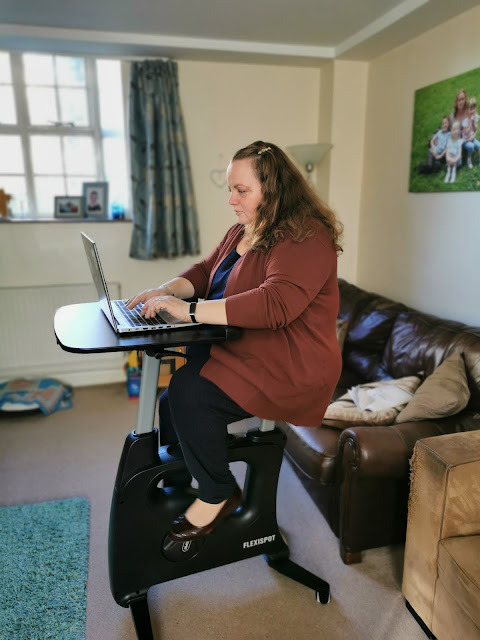
Exercise Whilst You Work - Review of the V9 Pro Desk Bike from FlexiSpot

Review and video of the FlexiSpot V9 Pro Desk Bike. It is a sturdy bike for working and exercising at the same time. I'd highly recommend it.

{I was gifted this Desk Bike for the purpose of this review. I have not been instructed what to write and I remain honest.  As an Amazon Associate, I earn from qualifying purchases, any affiliate links will be marked with #ad}


V9 Pro Desk Bike

We all know it is important not to be sedentary for too many hours in the day but when you work online it can be hard to fit everything in. I have to admit that exercise is often the activity that falls to the wayside as working to pay the bills or looking after the kids tends to take priority. A couple of weeks ago I was presented with a fantastic solution, by way of the V9 Pro Desk Bike. 

If I'm honest it's a funny looking squarish bike that you can use with your desk (or a modern sit/ stand desk) and you cycle as you work. As I tend to work with my computer on my lap, whilst sitting on the sofa I don't actually have a desk any longer so I wondered if this bike would suit me, but they have a solution for my problem. You can purchase the V9 Pro Desk Bike with a desktop attached and it is a really large and sturdy desktop.

I hadn't held out much hope that this bike would be any good for me as I'm a very large lady and that obviously means I'm heavy. In the past, home exercise bikes have always felt too flimsy and they've made me feel uncomfortable to ride them. However, this bike is truly sturdy with a nice big seat and I'm totally happy using it. 

One of my daughters has already commandeered the bike into her bedroom and that's OK as she has a good amount of space and when I want to use it is when she is at school anyway. My son has also been using it a bit as well, so it is great that it is encouraging many of us in the family to be more active. 

I've made a video of me setting the bike up and starting to use it, so take a look at that but basically, it's a great bike and it was super easy to get working. The V9 Pro retails for £399.99 as just the bike to use with your own desk. Or the version with the removable desktop is £439.99 but at the moment there is an extra £40 off with a voucher code that is publicised on the website until 10th Feb. After that, they are having a 'Say goodbye to sedentary lifestyle' sale from 11th to 28th February 2022, so it will be interesting to see what discount that provides!

Obviously, it is not cheap but I think it is good value at that price as it should last for years and make a difference to your lifestyle. 

Friday, 4 March 2022

6 Ways You Can Lead a Healthier Life

Image Credit: Pexels

{This is a collaborative post}

It is no secret that a healthy lifestyle can lead to a longer and happier life. However, it can be challenging for many people to make the necessary changes to achieve this goal. If you are looking for ways to improve your health, this blog post is for you! In today's post, we will discuss six ways that you can lead a healthier life. Follow these tips, and you will be on your way to better health in no time!


1. Commit to leading a healthy lifestyle.

The first step in leading a healthier life is committing to do so. This means setting goals and sticking to them, no matter what obstacles you face. It also means being honest with yourself about your current health and fitness level and accepting that there is always room for improvement.

If you are not sure where to start, try creating a list of reasons why you want to lead a healthier life. Some common causes include wanting to feel better mentally and physically, having more energy, or setting an excellent example for your children. Once you have identified your motivation, focus on keeping it in mind as you make changes in your lifestyle. It won't always be easy but it will be worth it.


2. Eat healthy foods.

One of the most critical aspects of leading a healthier life is eating healthy foods. This means filling your diet with nutrient-rich fruits, vegetables, whole grains, lean protein, and healthy fats. It also means limiting processed foods, sugary drinks, and unhealthy snacks.

If you are not used to eating healthy foods, adjusting your diet may take some time. Start by slowly incorporating more nutritious items into your diet and cutting back on unhealthy choices. For example, if you typically eat fast food for lunch every day, try packing a healthier lunch from home one or two days per week. Over time, you can continue to increase the number of meals you eat at home and reduce the number of unhealthy choices you make. Even small changes will start to add up and you'll see the difference.

Friday, 28 January 2022

Finally on the Path to being Fit and Free

I’ve been seeking fitness and freedom for quite some years now. Back at the beginning of 2015, I started to use the hashtag #FitandFree because that was my aim for the year. I thought I was finally going to conquer my weight demons and manage to lose lots of weight, however, it didn’t happen and yet again I became demotivated and remained unhappy in my body.

A 35 Year Journey

My issues with my weight started when I was about 13, or that was when I became aware that I had a problem that I felt needed solving. I remember going to the doctor for help and he told me to write a food diary and then halve it. That was the start of a very painful and prolonged journey of self-hate for the last 35 years. I look back now and I wasn’t even particularly big, yes, a little bigger than some classmates, but absolutely fine.

By the time I left secondary school, I had lost some weight (through attending Weight Watchers classes with my mum) and I was around a size 12/14 I thought I looked amazing and I felt amazing but soon some weight went back on and the first suit I bought at age 16 was a size 16. By the time I headed to University at 18, I was a size 18 and I can remember that I thought that was the most humongous and gross size there ever was, I even cut the labels out of my clothes as I was so ashamed and didn’t want my new friends to know. Little did I know what was to come.

How I'd love those 18-year-old curves again


Even at university when I should have been focusing on studying and enjoying my life as a young adult I can remember going to various weight lossfollowclubs to try and shift some weight, so I could feel ‘normal’, the same as everyone else. Counting calories, recording food, drinking grapefruit juice before I ate, stepping on the scales, checking out food plan points – it was like an obsession.

By age 21 I was down to a size 16 when I met my now-husband and between then and getting married at age 28, I headed upwards to a size 20/22. When you are young you think you have years ahead to ‘sort yourself out’ and I recall weight loss being fairly easy. Cut back and restrict calories and then I could drop 1/2 stone in a week. I look back now and wonder why I never carried through and got to a healthy weight, but I was carrying so much emotional baggage and every time it threatened to resurface, I’d eat and stuff it back down and that sense of shame would grow a little stronger.

Food – my False Idol

The rejection I felt as a child carried through and was reinforced by new situations that life threw at me and I had no resilience and no idea of how to deal with my emotions or these situations. So I ate, as food always comforted me, it never let me down and it was a wonderful smokescreen to stop me from looking too in-depth at where things were going wrong.

I can’t reveal too much as so much of what happened to me isn’t just my story and thus I can’t break confidence but I am so glad I found Jesus. That is what has saved me. Having a personal and loving relationship with God is what makes a difference in my everyday life. It is what sustains me and keeps me going. Reading that, you’d be forgiven for thinking that I have lost several stones of weight and that I am now considered a healthy weight, but no, alas I am still morbidly obese.
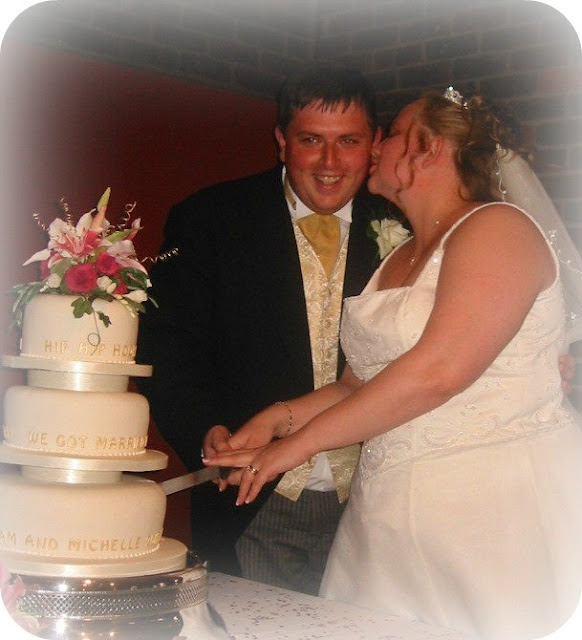
On my wedding day in my size 22 dress


However, I don’t have to be at my target weight (I don’t actually have a target weight) to be saved, to find success in my journey. Jesus has redeemed me and I have learnt to accept (moving the knowledge from my head to my heart) that He adores me and He won’t love me anymore when I am eight stone lighter. He also wouldn’t love me any less if I got eight stone heavier.

In the two decades that I have known Jesus and accepted Him as the Lord and Saviour of my life, He has been working on me and I have had a desire to work for Him. I had no clear picture of what that meant, but He has been revealing snippets to me as the years have gone past. When our family moved to East Sussex in the summer of 2013 I had a clear understanding that God wanted me to slow down and just be for a bitfollow. I heard the phrase ‘fit for purpose’ and I believe that it was from God. For quite some years I took that phrase to mean that I needed to lose weight to address health issues and then He could use me. I berated myself each time a diet failed or I got demotivated and stopped going to the gym. Since living here I have started Slimming World around five times and been a member of different gyms on at least six occasions. I’ve also attended a fitness club and tried to do the Couch to 5K. I’m not being a defeatist when I say that all of these attempts failed.

Only God can Work a Miracle

Why did they fail? I think, probably, because I was trying to win in my own steed. A few years back I realised I needed to submit my food and more importantly my fears to God, so He could work on me to help me. But then I continued to battle and kept taking back all the things I had left at the foot of the cross and I made them all my problem again. Fearful that I’d be hungry, fearful of the saggy skin I thought I’d be left with, fearful of intimacy issues, fearful of missing out and fearful of the opportunities that may come my way if I was slimmer and healthier and able to do anything I pleased as my body could take the strain.

“But those who hope in the Lord will renew their strength. They will soar on wings like eagles; they will run and not grow weary, they will walk and not be faint.”

Isaiah 40:31

But fear can not enter where there is faith. So, I’ve been working on my relationship with Jesus and developing that faith. I’m very proud of the hard work I have put into this process. The determination and dedication I have shown to becoming a better person, to healing my emotional issues and to being available for God has been immense. It hasn’t always been easy but I am so happy to have been through the fiery furnace and to now see my character more in line with Jesus. Of course, there is work still to be done, we’re never quite the finished project but I feel as if I have made leaps and bounds forward and that is thanks to God.

Handing over my Fears & Relying on Him

So, now, at last, I feel able to be brave and to hand any final fears over to God as I exercise my faith and start to cut back on what I eat. I don’t need to overindulgence and overcompensate for unhappiness elsewhere in my life, I am ready to fully submit and to change; to be who Christ truly wants me to be.

I am very much looking forward to starting my new job in March at least 3kg lighter and then going on holiday in October with my family and being 25kg down. That means losing 2.5Kg each month for the next 10 months, which is about 5lb a month so hopefully attainable.

Earlier today I was thinking about hope, as well as faith and being reminded that I don’t have to despair of this weight loss journey that has taken 35 years so far. There is no need for me to be exasperated with myself and to assume I’ll give up or fail, just because I have before. I now have the hope of Jesus and I need to allow Him to sustain me. The only stiving I must do is in my pursuit of Him and my relationship with Him.

Jesus has restored and redeemed me. I learned on my bible study course this morning that Jesus moved women from shame to honour and that is what He has done for me. Thank you, Jesus, that by Your blood I am saved and I can live another day to serve You and love You. Amen.